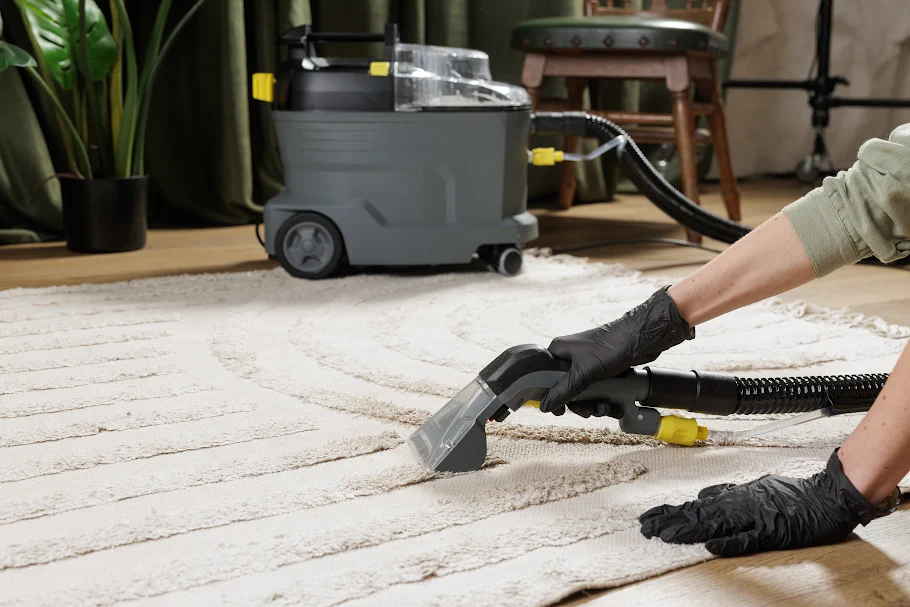
Water damage restoration and water mitigation are a part of the same process. They can’t co-exist without one another. The purpose of water mitigation is to limit the damage and start drying out as soon as possible. Once the process is complete, then it’s time for water restoration as you start to repair and rebuild the parts or stuff that have been broken or damaged. It’s in your best interest to act quickly and start the process of water mitigation and water restoration immediately.
What is Water Damage Restoration?
This is the part where rebuilding and repairing work start after the process of water mitigation and water removal. After everything in your property is dry and safe to use, it’s time to repair and restore everything to where it was before the damage.
Here are a few steps involved in water restoration:
- Repairing Walls
Water from plumbing pipes or floods can cause excessive damage to property walls, and a property with damaged walls is like a book with torn pages, inferior to look at. The water restoration process starts with getting your walls in order.
- Reinstalling Cabinets
Your kitchen, bathroom, or living room cabinets can be the reason for mold growth if timely repairs or re-installations aren’t done. Mold growth can increase the time required for the water restoration process.
- Replacing Damaged Furniture
Your living room or bedroom furniture is likely destroyed if the water levels were high inside your property.

If so, then go for a repair, but if your budget allows for it, then replacing the furniture is a better option.
| Pro tip: Keep large plastic bags handy to wrap your furniture in case of a flood; this helps limit furniture damage and saves you money. |
- Plumbing and Electrical Work
Water and electricity, if combined, can create havoc, so make sure all your electrical wiring is fully repaired and safe to use without any danger. Burst pipes can be the reason for flooding, so make sure to replace or repair them too.
What is Water Damage Mitigation?
Water mitigation is like an emergency first response. It’s the process of trying to limit the water damage and stop it from getting worse. It helps avoid further damage like mold or structural issues, and water removal and drying out the area to prevent further damage is the goal here.
Here are a few steps involved in water mitigation:
- Turning Off the Water Source
This applies only if the water source is present inside your home and not natural causes like rain or storms.
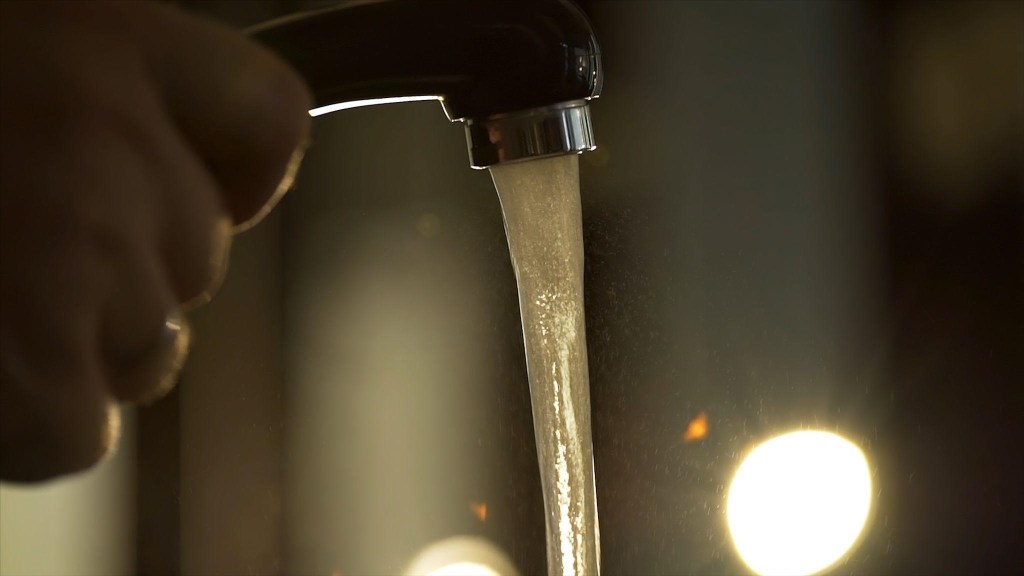
If the water source is a burst pipe, leaking appliance, or a clogged drain, make sure to turn off the water supply. This will help limit the damage, reduce restoration efforts, and save you from a sky-high water bill.
- Using Pumps to Remove Standing Water
You can use a submersible pump and a hose to pump the water out, and if you have a storm drain at the street, that’s where you should pump the water too. Just make sure you’re not pumping the water to a nearby property and making it someone else’s problem.
- Removing Carpets to Stop Mold Growth
Carpets can absorb water, but an excess of it can lead to mold growth, so you should remove the carpets as fast as possible and hang them out to dry. Dehumidifiers and commercial-grade fans can help make this process quick.
- Dehumidifiers to Dry Things Out
Perfect for speeding up the process of evaporation from carpets and other parts of your property. Standing water turns stagnant fast, with an odor that can ruin your sense of smell and increase property damage, too.
Conclusion
Water mitigation and water restoration are both parts of the recovery process after water damage. The difference between water mitigation and restoration is that they involve emergency measures like turning off the water source and using fans to instantly kickstart the drying process. After completion, it’s time to restore and repair everything back to its original condition through the process of water restoration. The cost of water mitigation vs restoration also depends on the amount of damage and the time required to restore and repair everything.
FAQs
- Water damage restoration services near me?
A quick search on the internet can lead you to a certified water damage restoration company in your area. - What is structural drying vs. water cleanup?
Structural drying includes drying walls, floors, and wood, while water cleanup includes removing standing water from the affected area. - Are there any emergency water removal services available?
Yes, there should be multiple water extraction and drying services available within your area, and a simple internet search can lead you towards these companies. - How long does water restoration take?
The water damage restoration process depends on the extent of property damage and the number of professionals involved. - Water damage repair vs prevention?
Water damage repair means fixing the stuff already damaged, and prevention involves taking precautionary steps to eliminate or limit the damage in the future.