Introduction
How to remove carpet stains? Blot with a clean white cloth or paper towel, working from the outside in. Carpet cleaning tips include applying table salt or baking soda to absorb all moisture and matching the cleaning agent to the stain type. Deep sanitization by professional carpet cleaning removes allergens and odors and improves indoor air quality. Highly trained technicians of Clean it Right Carpet Care with extensive 40 years of carpet cleaning experience can revitalize your carpet and home with personalized service.
Carpet Stain Types and How to Remove Them
Carpet stain removal can be tricky because each stain type reacts differently to cleaning solutions. To remove carpet stains, always act quickly and blot the stain. Never rub as it pushes the stain deeper. The right household carpet stain remover can lift almost any stain from your favourite rug if you use the right technique quickly.
Water-Based Stains (Juice, Soda, Mud)
These stains are easier to remove when fresh as they respond well to liquid cleaners.
- Mix 1 teaspoon of mild dish soap with 1 cup of warm water.
- Spray or bad gently onto the stain.
- Blot until it lifts.
- Rinse with cold water and blot dry.
Tannin Stains (Coffee, Red Wine, Tea)
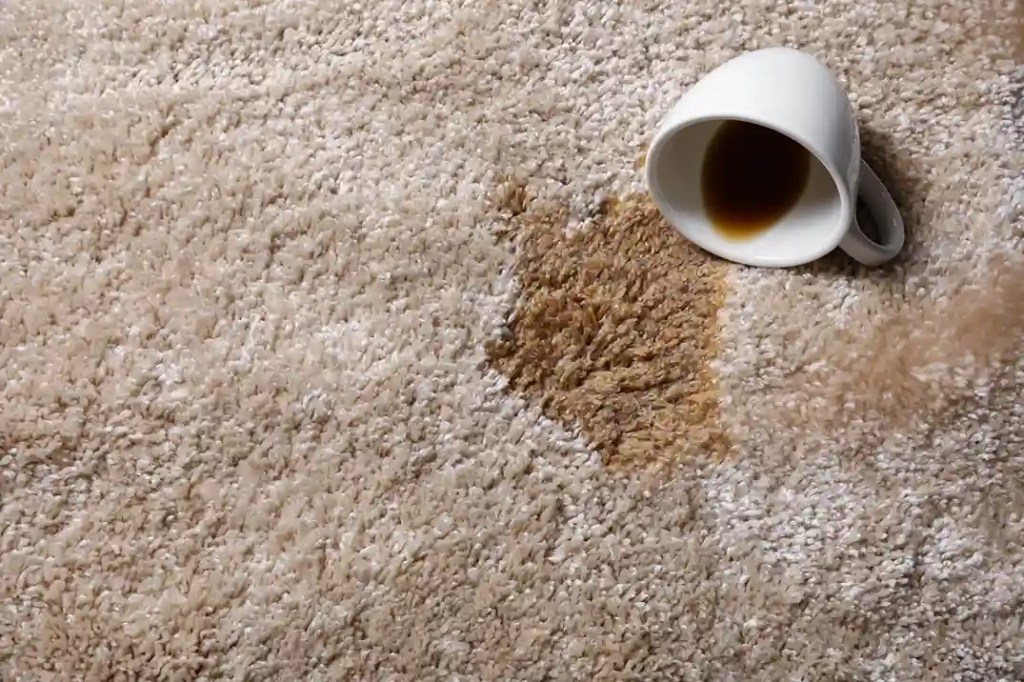
Removing coffee stain on carpet can be challenging. Tannins are plant based pigments, found in beverages that easily bind to carpet fibers.
- Mix 1 tablespoon of white vinegar with 1 tablespoon of clear dish soap.
- Mix in 2 cups of warm water.
- Apply with a clean cloth and blot.
- For red wine stain removal carpet, sprinkle table salt on the fresh spill to absorb the color. Wipe with sparkling water.
Oil-Based Stains (Grease, Butter, Makeup)
Oil repels water so you need to draw out the stain.
- Sprinkle a generous amount of baking soda or cornstarch over the grease.
- Let it sit for at least 3 to 5 hours to absorb the oil.
- Vacuum.
- If the mark remains, dab it with a clean cloth, moistened with rubbing alcohol or a drop of dish soap.
Protein Stains (Blood, Vomit, Dairy)
Protein stains contain enzymes that can set permanently if exposed to heat or acid.
- Never use Hot Water.
- Flush the stain immediately with cold water.
- Blot out as much as possible.
- Next, use a mild mixture of dish soap and cold water.
- For stubborn blood stains, you can dab with 3% hydrogen peroxide.
Dye Stains (Ink, Food Coloring)
Dyes are the most difficult to remove because the chemicals change the clor of the carpet fibers.
- For severe ink or food coloring stains, dab with rubbing alcohol.
- You can also use 3% hydrogen peroxide to dab the stain until it lifts.
- For stubborn stains, mist the target area with cleaning solution for 3 to 5 minutes to break down the pigment.
- Professional carpet cleaning Fontana CA utilizes specialized pre treatments and high powered extraction methods to pull out stains and extend the lifespan of your favorite rug.
Pet Accidents and Odors
Golden Retrievers, Labradors or French bulldogs? Homeowners in California frequently face accidents like urine spots, vomit, feces stains and claw scratching, which seeps into subfloors and triggers lingering odors or causes permanent dye alterations.
- Use an enzymatic cleaner to break down ammonia and proteins when dealing with pet urine stains.
- Consider pet stain removal from carpet incase of severe accidents as puddles soaking through to the padding cause strong, lingering odors and bacterial buildup.
| Always test your cleaning solution (store bought or DIY) on a small, invisible area first to avoid the risk of discoloring. |
What Mistakes to Avoid While Removing Carpet Stains?
Searching for carpet cleaning Highland CA? Carpet maintenance is critical to remove allergens, pests and lingering odors in your environment.
- Vigorous back and forth scrubbing frays carpet fibers and pushes the stain deeper into the carpet. Always gently tamp or blot.
- Heat from hair dryers or steam cleaners cooks or coagulates protein-based stains, making them impossible to remove. Stick to cool or lukewarm water.
- Soaking the carpet can lead to lingering damp odors and mold growth. Use cleaning solutions sparingly and absorb as much water as possible after cleaning.
- Applying a store bought or DIY cleaner without testing it first can result in discoloration or bleaching. Test your solution on an inconspicuous area first, such as behind a piece of furniture, before tackling a stain.
- Failing to thoroughly rinse the area after tackling a stain can leave behind residues, making the stain reappear rapidly.
- To clean carpet at home, never use colored towels or printed paper napkins as colors can transfer onto your wet carpet, making the stain worse. Use clean, white, lintfree cloths or white towels.
When to Call a Professional?
Call a carpet cleaner if
- The stain spreads during removal
- The mark is stubborn
- The stain covers a large area
- If the carpet color transfers to your cleaning cloth during treatment.
- For carpet odor removal
- For deep annual or biannual carpet cleaning.
Consider calling professional carpet cleaning services if
- The stain is old, set in or comes from a pigment heavy source like ink, permanent marker or dye.
- The affected area involves deep pet accidents that have soaked into carpet padding or subfloor.
- The stain changes color during removal or stubborn carpet stains reappear after you attempt to clean it.
- You are dealing with expensive, delicate or natural rugs that can be ruined by DIY solutions.
Call emergency carpet cleaning if your carpet experiences
- Major water damage
- Biohazard spills
- Toxic stains
- Severe pet accidents.
How Do Professionals Handle Stains?
Searching for carpet cleaning Redlands CA? When facing sudden accidents, call emergency carpet cleaning to avoid risking permanent damage or severe health hazards.
- Professionals inspect the rug and identify the wool type (synthetic vs natural wool).
- Color fastness testing ensures the cleaning solution will not cause the stain to bleed.
- Dry vacuuming lifts all the debris.
- Pre treatment of stubborn stains with specialized eco friendly or targeted solutions.
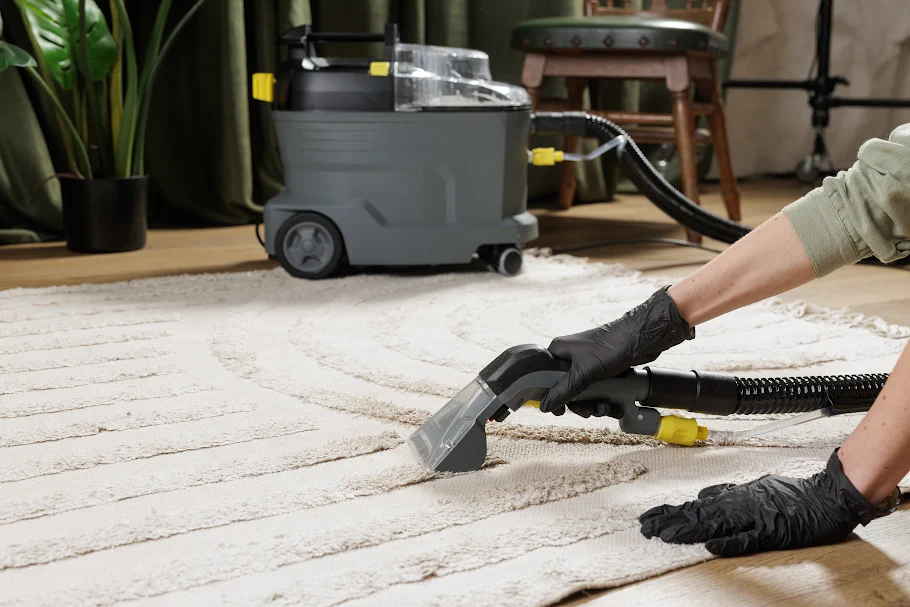
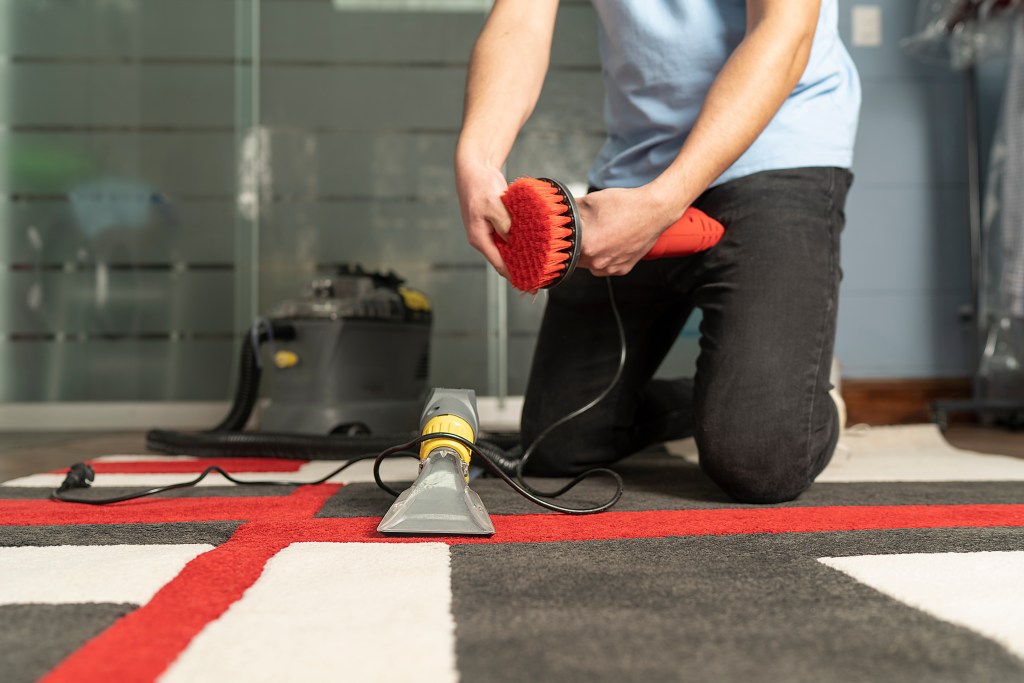
- Carpet steam cleaning and agitation to loosen ground in grime.
- Vacuum extraction and rinsing, ensuring no residue is left behind.
- Rapid drying to remove moisture and prevent mold growth.
- Sanitizers and deodorizers are applied to neutralize odors.
Conclusion
Avoid strong lingering odors or bacterial buildup by acting fast in case of spills and using the right method and technique. Avoiding the common mistakes ensures you eliminate spots without ruining your carpet. Professional carpet cleaning services ensure sanitation and a hygienic living space. Contact Clean it Right Carpet Care to keep your carpets and upholstery looking clean and fresh.
FAQs
Should I rub or scrub the stain to get it out fast?
Never rub or scrub. Scrubbing damages carpet fibers and forces the stain deeper into the backing. Instead, always blot or dab the stain gently with a clean dry white cloth or paper towel.
What should I do to remove grease or oil spills?
Place a dry paper towel over the grease and press down gently to absorb excess oil. Apply a small amount of grease cutting dish soap mixed with warm water to a cloth and gently blot until the stain lifts.
How do I treat pet urine accidents on carpet?
First, blot up as much moisture as you can. Avoid using ammonia (which smells like urine to pets) or heat. Instead, use an enzyme based cleaner or a mix of one part white vinegar to one part water to break down the proteins and neutralize the odor.