Water damage can happen without warning and quickly turn a safe, comfortable home into a costly restoration project. Whether caused by a burst pipe, flooding, appliance malfunction, roof leak, or storm damage, water intrusion can affect flooring, walls, furniture, electrical systems, and even the structural integrity of a property. Understanding the cost of Water Damage Restoration in California is essential for homeowners who want to act quickly and minimize long-term damage.
Professional restoration companies like Clean It Right Carpet Care help homeowners recover from water-related disasters through rapid response, water extraction, drying, cleanup, and restoration services. While many property owners focus on visible water damage, hidden moisture can lead to mold growth, structural deterioration, and indoor air quality issues if not addressed promptly.
This comprehensive guide explains everything you need to know about water damage restoration costs in California in 2026, including pricing factors, restoration stages, insurance considerations, and ways to reduce repair expenses.
What Is Water Damage Restoration?
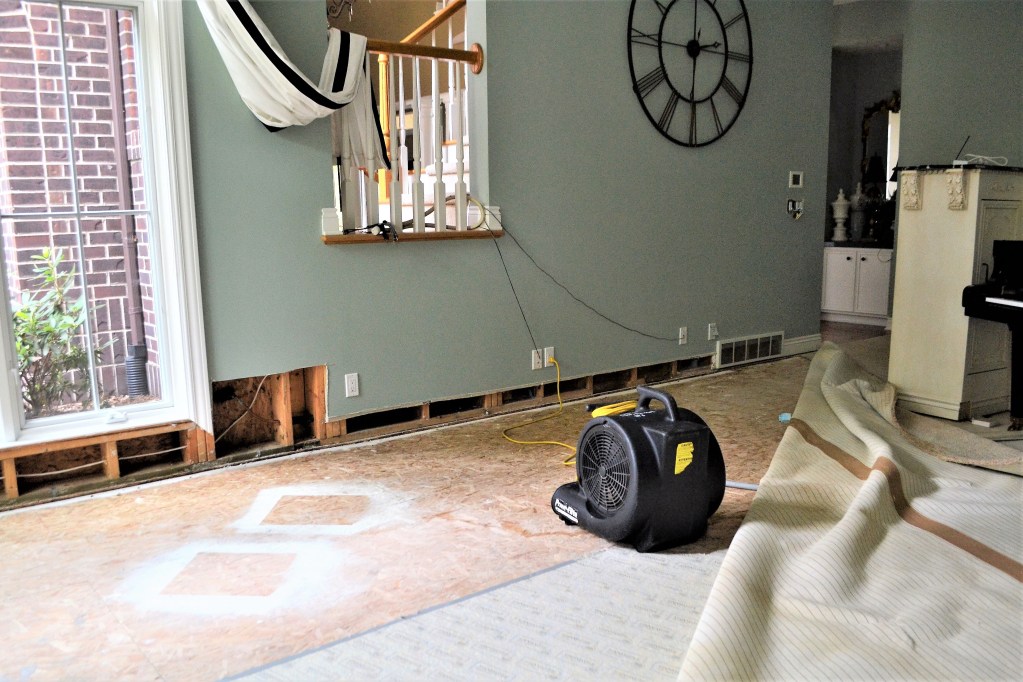
Water Damage Restoration is the professional process of removing water, drying affected areas, cleaning contaminated materials, repairing damaged structures, and restoring a property to its pre-loss condition.
The goal is not only to remove visible water but also to prevent secondary damage, such as:
- Mold growth
- Wood rot
- Structural weakening
- Electrical hazards
- Indoor air quality issues
Professional restoration typically includes:
- Water extraction services
- Moisture detection
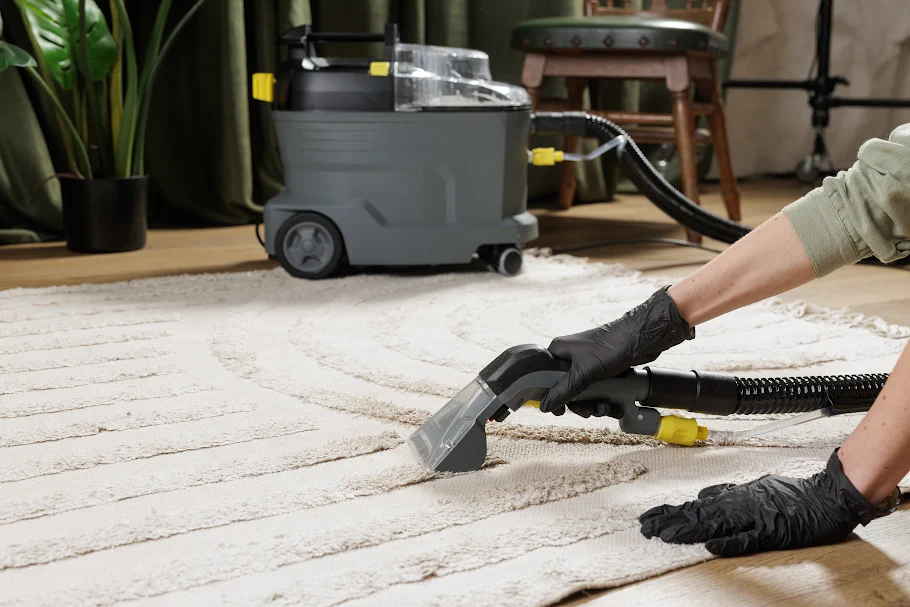
- Structural drying
- Water damage cleanup
- Mold prevention
- Dehumidification
- Sanitization
- Repairs and reconstruction
Average Water Damage Restoration Cost in California
The cost of water damage restoration depends on several factors, including the severity of the damage, the source of the water, the affected materials, and the size of the property.
Water Damage Restoration Cost by Severity
| Damage Level | Cost Per Sq. Ft. | Typical Restoration Needs |
| Minor Water Damage | $3 – $5 | Water extraction, drying, minor repairs |
| Moderate Water Damage | $5 – $8 | Drying, flooring repair, drywall replacement |
| Severe Water Damage | $8 – $15+ | Structural repairs, sanitation, reconstruction |
Estimated Total Restoration Costs
| Project Size | Average Cost Range |
| Small Room | $500 – $2,500 |
| Multiple Rooms | $2,500 – $7,500 |
| Large Residential Property | $7,500 – $20,000+ |
| Major Flood Damage | $20,000 – $50,000+ |
These estimates vary depending on contamination levels and repair requirements.
Water Damage Categories and Their Impact on Cost
The type of water involved significantly affects restoration pricing.
Category 1: Clean Water
Clean water comes from sources such as:
- Broken water supply lines
- Overflowing sinks
- Appliance leaks
Cost Impact:
Clean water restoration is generally the least expensive because contamination levels are low.
Category 2: Gray Water
Gray water may contain contaminants from:
- Washing machines
- Dishwashers
- Toilet overflows (without waste)
Cost Impact:
Additional sanitation and safety measures increase restoration costs.
Category 3: Black Water
Black water is highly contaminated and may come from:
- Sewage backups
- Floodwaters
- Storm surge events
Cost Impact:
Black water restoration is the most expensive due to extensive cleaning, disinfection, and safety requirements.
Key Factors Affecting Water Damage Restoration Cost
Several variables influence the final restoration bill.
1. Size of the Affected Area
Larger damaged areas require:
- More labor
- Additional drying equipment
- Increased material replacement
The greater the square footage affected, the higher the overall restoration cost.
2. Water Damage Severity
Minor leaks are much easier to restore than widespread flooding that impacts structural components.
The longer water remains in the property, the more damage occurs.
3. Response Time
Quick action can dramatically reduce restoration expenses.
When water sits for extended periods, it can lead to:
- Mold growth
- Flooring damage
- Structural deterioration
- Increased repair costs
Immediate emergency water restoration services often save homeowners thousands of dollars.
4. Materials Affected
Different materials absorb water differently.
Commonly Damaged Materials:
- Drywall
- Hardwood flooring
- Carpet
- Insulation
- Cabinets
- Subflooring
The cost of replacement varies significantly depending on material type and quality.
5. Mold Growth
Water damage often leads to mold development within 24 to 48 hours.
If mold remediation becomes necessary, overall project costs increase substantially.
Water Extraction Services Cost
One of the first steps in restoration is removing standing water.
Average Water Extraction Costs
| Service Type | Average Cost |
| Small Extraction Project | $500 – $1,500 |
| Moderate Water Removal | $1,500 – $3,500 |
| Large Extraction Project | $3,500 – $10,000+ |
Professional extraction prevents water from spreading deeper into building materials.
Basement Water Damage Restoration Cost
Basements are particularly vulnerable to flooding and moisture intrusion.
Common Causes
- Foundation cracks
- Heavy rainfall
- Sump pump failures
- Sewer backups
Basement Restoration Costs
| Severity Level | Average Cost |
| Minor Water Damage | $1,000 – $3,000 |
| Moderate Damage | $3,000 – $8,000 |
| Severe Flood Damage | $8,000 – $25,000+ |
Basement projects often require extensive drying and mold prevention treatments.
Home Water Damage Repair Cost
After drying and cleanup are completed, damaged materials may need repair or replacement.
Typical Repair Costs
| Repair Type | Average Cost |
| Drywall Repair | $300 – $2,500 |
| Flooring Replacement | $1,000 – $10,000+ |
| Cabinet Repairs | $500 – $5,000 |
| Ceiling Repair | $500 – $3,000 |
| Structural Repairs | $2,000 – $25,000+ |
The extent of the damage determines final repair costs.
Flood Damage Restoration Cost
Flooding often causes widespread property damage.
Professional flood damage restoration may include:
- Water extraction
- Debris removal
- Structural drying
- Sanitation
- Reconstruction
Average Flood Restoration Costs
| Flood Severity | Estimated Cost |
| Minor Flooding | $2,000 – $8,000 |
| Moderate Flooding | $8,000 – $20,000 |
| Severe Flood Damage | $20,000 – $50,000+ |
Mold Remediation Cost After Water Damage
Mold is one of the most common consequences of untreated water damage.
Mold Remediation Cost
| Project Size | Average Cost |
| Small Area | $500 – $2,000 |
| Moderate Infestation | $2,000 – $6,000 |
| Large Mold Project | $6,000 – $15,000+ |
Addressing mold early can reduce both health risks and repair expenses.
Emergency Water Restoration Services
Certain situations require immediate professional assistance.
Emergency Situations Include:
- Burst pipes
- Storm flooding
- Sewage backups
- Appliance failures
- Major roof leaks
Emergency response services often include:
- 24/7 availability
- Immediate water extraction
- Temporary mitigation measures
Water Damage Mitigation vs Water Damage Restoration
Many homeowners confuse mitigation with restoration.
Water Damage Mitigation
Mitigation focuses on preventing further damage.
Examples include:
- Water extraction
- Emergency drying
- Temporary repairs
Water Damage Restoration
Restoration focuses on returning the property to its original condition.
Examples include:
- Reconstruction
- Flooring replacement
- Drywall repair
- Painting
Both services are essential for complete recovery.
Water Damage Restoration Process
Understanding the restoration process helps homeowners know what to expect.
Step 1: Inspection and Assessment
Professionals evaluate:
- Water source
- Damage severity
- Moisture levels
A detailed restoration plan is then created.
Step 2: Water Extraction
Standing water is removed using industrial pumps and vacuums.
Fast extraction minimizes structural damage.
Step 3: Drying and Dehumidification
Specialized drying equipment removes moisture from:
- Walls
- Floors
- Ceilings
- Structural components
This stage prevents mold growth.
Step 4: Cleaning and Sanitization
Contaminated surfaces are cleaned and disinfected.
Odor removal treatments may also be applied.
Step 5: Repairs and Reconstruction
Damaged materials are repaired or replaced.
This may include:
- Flooring
- Drywall
- Insulation
- Cabinets
- Structural elements
Insurance Water Damage Claim Guide
Many homeowners wonder whether insurance covers restoration costs.
Coverage often depends on the cause of the damage.
Commonly Covered Events
- Burst pipes
- Sudden appliance failures
- Accidental water discharge
Common Exclusions
- Long-term leaks
- Neglected maintenance
- Flood damage (without flood insurance)
Always review your policy and document damage thoroughly.
How to Reduce Water Damage Restoration Costs
1. Act Quickly
Responding immediately after water damage is one of the most important ways to reduce repair costs. The longer water sits in your home, the more it spreads into walls, flooring, and furniture. Quick action helps limit structural damage, prevents mold growth, and reduces the need for expensive reconstruction work.
2. Schedule Professional Inspections
Regular or early inspections can help identify hidden moisture issues before they become serious problems. Professionals use specialized tools like moisture meters and thermal imaging to detect water behind walls or under floors. Early detection allows for smaller, less costly repairs instead of major restoration projects later.
3. Maintain Plumbing Systems
Proper maintenance of pipes, faucets, and appliances helps prevent unexpected leaks or bursts. Routine checks can identify weak connections, corrosion, or pressure issues before they cause damage. Well-maintained plumbing systems significantly reduce the risk of emergency water damage restoration.
4. Improve Drainage
Good drainage around your home plays a major role in preventing water damage. Ensuring gutters, downspouts, and foundation drains are clear and functioning properly helps redirect water away from your property. This reduces the risk of basement flooding and foundation leaks during heavy rain.
5. Address Small Problems Early
Even minor leaks or water stains should never be ignored. Small issues can quickly escalate into major structural damage if left untreated. Fixing problems early helps avoid costly repairs, mold remediation, and extensive water damage restoration work in the future.
Signs You Need Immediate Water Damage Restoration
Contact a restoration professional if you notice:
- Water stains
- Musty odors
- Warped flooring
- Peeling paint
- Visible mold
- Ceiling discoloration
- Persistent dampness
These warning signs often indicate hidden moisture problems.
Is Professional Water Damage Restoration Worth It?
Yes. Professional restoration provides:
- Faster recovery
- Reduced mold risk
- Structural protection
- Insurance documentation
- Long-term property preservation
Attempting major restoration without professional equipment often leads to hidden moisture problems and future repair costs.
Conclusion
Understanding Water Damage Restoration costs in California helps homeowners prepare for unexpected emergencies and make informed decisions when disaster strikes. While restoration costs vary depending on damage severity, contamination levels, affected materials, and response time, acting quickly is the most effective way to minimize expenses.
Whether you’re dealing with a minor leak, water damage cleanup, basement water damage, pipe burst repair, or major flood damage restoration, professional restoration services can help protect your property and prevent long-term issues. By investing in timely mitigation, restoration, and preventative maintenance, homeowners can safeguard their homes and avoid costly future repairs.
FAQs
1. How much does water damage restoration cost in California in 2026?
The average Water Damage Restoration cost in California ranges from $3 to $15 per square foot, depending on severity, water type, and repair requirements.
2. What is included in water damage restoration services?
Water damage restoration typically includes water extraction services, drying and dehumidification, cleaning and sanitization, mold prevention, and full structural repairs if needed.
3. How quickly should water damage be repaired?
Water damage should be addressed within 24–48 hours. Delays can lead to mold growth, structural damage, and significantly higher restoration costs.
4. Does homeowners’ insurance cover water damage restoration?
Insurance may cover sudden and accidental damage, such as burst pipes or appliance failures. However, gradual leaks and flood damage may require separate coverage.
5. What is the difference between water damage mitigation and restoration?
Water mitigation focuses on stopping further damage (like water extraction and drying), while restoration involves repairing and rebuilding the damaged areas to restore the home fully.