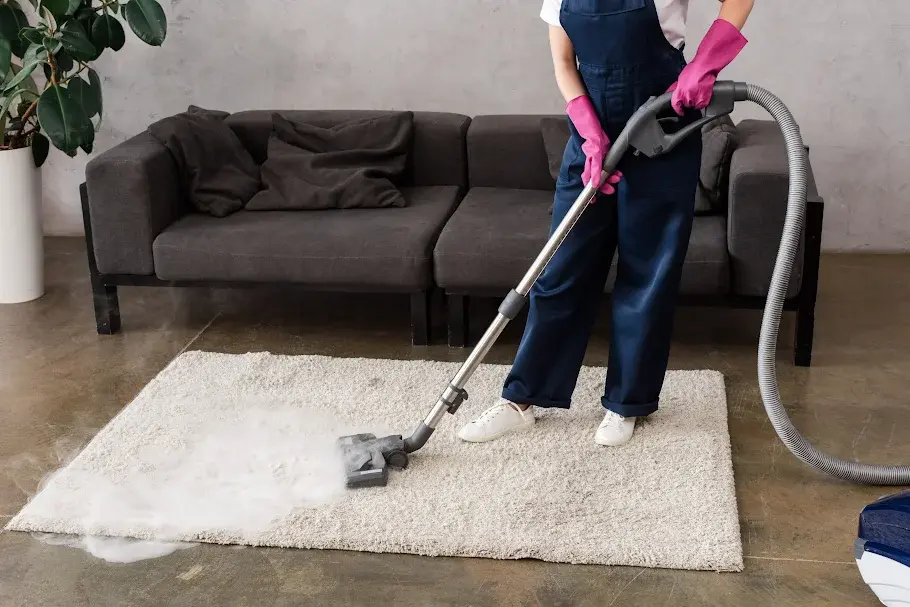
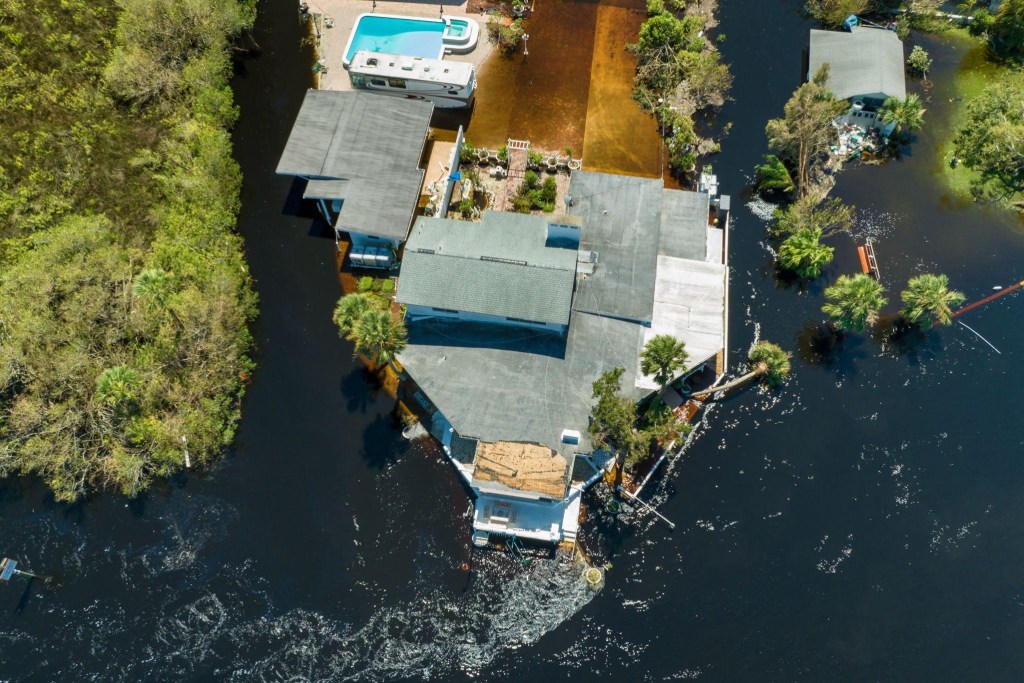
Floods can strike suddenly, leaving homes and businesses facing significant water damage. Quick action is critical, and proper water removal is the first step toward preventing further harm. Standing water not only damages floors, walls, and furniture but also creates ideal conditions for mold and bacteria. Understanding the process of water removal and professional drying techniques plays a crucial role in ensuring your property is restored safely and efficiently.
Professional water removal companies use powerful pumps, wet vacuums, and industrial-grade dehumidifiers to extract standing water quickly. Skilled technicians assess the level of water, determine affected areas, and begin extraction immediately. The risk of permanent structural damage, electrical hazards, and mold growth is significantly reduced when water is removed promptly.
The Importance of Professional Water Removal
While homeowners may attempt DIY water removal, professional services offer more thorough solutions. Certified technicians bring the expertise, tools, and experience necessary to handle water safely and effectively. They can detect hidden moisture behind walls, under flooring, or inside insulation that might be missed during a DIY approach. Using advanced moisture meters and infrared cameras, professionals locate all affected areas and implement a targeted drying plan, ensuring complete restoration and preventing recurring water damage or structural issues.
Professional water removal also includes sanitation and cleaning. Contaminated water from floods can carry bacteria, chemicals, and debris that pose health risks. Experts disinfect surfaces, remove damaged materials, and apply antimicrobial treatments to safeguard occupants’ health. This comprehensive approach goes beyond simple water extraction and ensures your property is safe for long-term use.
The Steps of Water Removal and Drying
- Water Extraction: Using industrial pumps and wet vacuums, technicians remove standing water from the affected areas.
- Drying: Air movers, dehumidifiers, and heaters are used to dry floors, walls, and structural elements. Even small pockets of moisture left behind can cause mold growth or material deterioration.
- Moisture Monitoring: Regular moisture checks confirm that all areas are properly dried.
- Cleaning and Restoration: Flooring, drywall, and furniture may require repair or replacement, depending on flood severity. Restoration specialists ensure your property is returned to a pre-flood condition using a combination of water removal expertise and repair solutions.
Preventing Mold and Structural Damage
Mold is one of the biggest risks following a flood, and it can begin growing within 24 to 48 hours if water is left untreated. Professional water removal minimizes this risk by quickly extracting water and using industrial-grade drying equipment. Technicians may also apply mold inhibitors and monitor humidity levels to prevent future growth. Proper drying preserves wood, drywall, and insulation, protecting your property’s structure from long-term damage.
Floodwater can also pose electrical hazards by seeping into outlets, wiring, and appliances. Technicians assess the property, shut off electricity if necessary, and ensure all systems are safe before beginning restoration work.
Benefits of Professional Water Removal
Investing in professional water removal ensures homes are not only dried but also protected from future issues. Proper extraction and drying help preserve structural integrity, prevent mold growth, and maintain indoor air quality. Experts can advise homeowners on preventive measures such as grading, sump pumps, and waterproofing to reduce future flood impact. Affordable water damage restoration services make it possible for homeowners to address both immediate and long-term recovery needs without breaking the budget, making professional water removal an essential part of flood restoration.
Final Thoughts
Flood damage can be overwhelming, but timely and professional water removal makes recovery manageable. Skilled technicians provide comprehensive extraction, drying, and restoration services that prevent mold, structural damage, and health risks. By relying on professional water removal, homeowners can safely and efficiently restore their property, ensuring a complete and lasting recovery.
FAQs
1. How quickly should water be removed after a flood?
Water should be extracted as soon as possible, ideally within 24 hours, to prevent mold and structural damage.
2. Can DIY water removal be effective?
DIY methods may remove visible water, but professional equipment and expertise are needed to address hidden moisture and prevent mold growth.
3. What equipment is used for professional water removal?
Technicians use industrial pumps, wet vacuums, dehumidifiers, air movers, and moisture meters to ensure complete drying.
4. How do professionals prevent mold growth after flooding?
They remove water quickly, dry affected areas thoroughly, apply mold inhibitors, and monitor humidity levels.
5. Does insurance cover professional water removal services?
Many homeowners’ insurance policies cover water removal and restoration, but coverage varies depending on the flood source and policy terms.