Water damage is one of the most common and destructive problems faced by homeowners and businesses in California. Severe winter storms, coastal flooding, burst pipes, and appliance failures can quickly cause structural damage and create serious safety risks.
If not addressed immediately, water damage can lead to mold growth, weakened building materials, and expensive repairs. Understanding the full water damage restoration process, from emergency water removal to final repair, helps property owners respond quickly and minimize long-term damage.
This guide explains the most common causes of water damage in California and how professional restoration services restore homes and businesses safely and efficiently.
Common Causes of Water Damage in California
California experiences a wide range of weather conditions and infrastructure challenges that can lead to water damage.
The most common causes include:
- Heavy rainfall and atmospheric rivers during winter storms
- Flooding from rivers or coastal areas
- Burst or leaking pipes, especially in older homes
- Sewer backups or drainage system failures
- Appliance leaks, such as washing machines or water heaters
- Roof leaks caused by storms or aging roofing materials
- Water used during wildfire firefighting efforts
Regardless of the cause, water damage should always be treated as an emergency to prevent further structural damage and mold growth.
Step-by-Step Water Damage Restoration Process
Professional water damage restoration companies follow a structured process to restore properties after water damage.
Step 1: Emergency Response and Damage Inspection
The water damage restoration process begins with a rapid emergency response. Restoration technicians typically arrive within hours to assess the situation.
During inspection, professionals will:
- Identify the source of water intrusion
- Classify the type of water damage (clean water, gray water, or black water)
- Inspect affected materials such as drywall, flooring, insulation, and framing
- Identify safety hazards like electrical risks or structural instability
- Document damage for insurance claims
Early inspection is critical to prevent secondary damage, especially mold growth and material deterioration.
Step 2: Water Removal and Structural Drying
Once the area is safe, technicians begin removing standing water using industrial pumps and high-powered vacuums.
After water extraction, the drying process begins. This stage may involve:
- High-capacity air movers to increase evaporation
- Commercial dehumidifiers to remove moisture from the air
- Moisture meters and thermal imaging to monitor hidden water inside walls and floors
Depending on the extent of damage, the drying process typically takes 3 to 5 days.
Step 3: Cleaning, Sanitizing, and Mold Prevention
Water damage often introduces contaminants and unpleasant odors into the property.
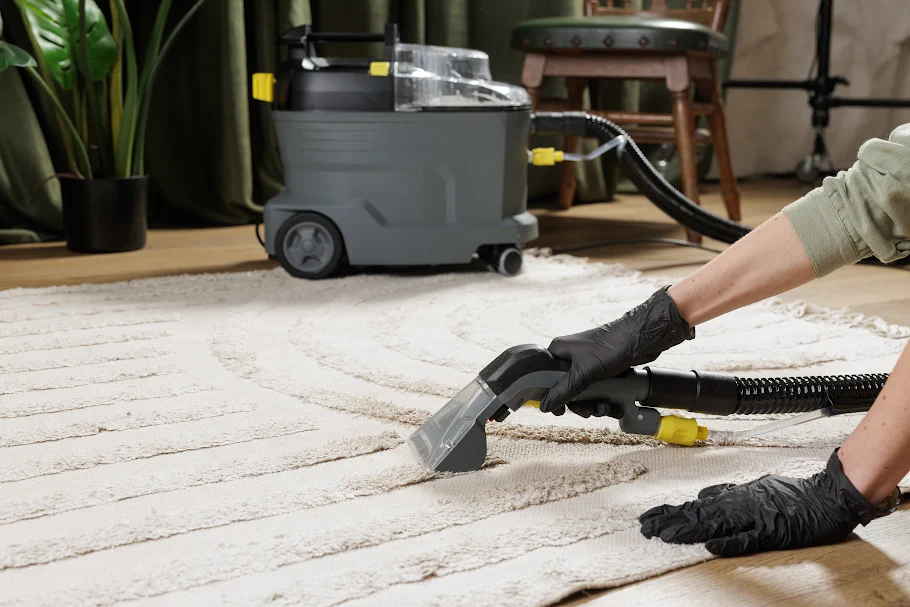
Professional restoration teams clean and disinfect affected areas using specialized cleaning solutions and equipment.
This stage may include:
- Antimicrobial treatments to prevent mold growth
- Removal of unsalvageable materials, such as soaked drywall or carpets
- Deodorization to eliminate musty odors
Because California has strict mold safety regulations, proper mold prevention is a critical part of the water damage restoration process.
Step 4: Repairs and Property Reconstruction
The final stage of water damage restoration involves repairing damaged areas and restoring the property to its original condition.
Repairs may include:
- Replacing drywall, insulation, and flooring
- Repairing structural framing or subfloors
- Repainting walls and ceilings
- Restoring cabinets, furniture, and fixtures
Many restoration companies offer full-service repairs, allowing property owners to work with one contractor instead of multiple service providers.
Working With Insurance for Water Damage Claims
Water damage insurance claims can sometimes be complex. Experienced restoration companies often assist homeowners with the claims process.
They may help with:
- Detailed damage documentation and photographs
- Communication with insurance adjusters
- Preparing restoration estimates based on policy coverage
Homeowners should review their insurance policies carefully because standard policies may not cover flood damage, which often requires separate flood insurance.
Why Professional Water Damage Restoration Is Important
Minor water spills may be manageable with basic cleaning, but significant water damage requires professional restoration services.
Certified restoration professionals have the tools, training, and expertise to:
- Completely remove hidden moisture
- Prevent mold growth
- Protect structural integrity
- Restore properties efficiently and safely
Professional restoration also helps reduce long-term repair costs and ensures compliance with California building and health regulations.
Conclusion
Water damage restoration in California is a complex process that requires quick action, professional equipment, and experienced technicians. From emergency flood cleanup to structural repairs, each step is essential to restoring your property safely and preventing long-term damage.
Whether water damage is caused by storms, plumbing failures, or appliance leaks, responding quickly and working with a trusted restoration company can protect your property and reduce costly repairs.
Taking immediate action ensures your home or business is restored efficiently while preserving its safety, value, and structural integrity.
FAQs
- How quickly should I respond to water damage?
You should respond immediately. Water damage left untreated for more than 24 hours can lead to mold growth and structural deterioration. - Is water damage covered by homeowners’ insurance in California?
Most policies cover sudden and accidental water damage, such as burst pipes, but flooding usually requires separate flood insurance. - How long does the water damage restoration process take?
Drying typically takes 3–5 days, while full repairs may take one to several weeks, depending on the severity of damage. - Can I stay in my home during restoration?
Minor damage may allow it, but severe flooding or mold might require temporary relocation. - How can I prevent future water damage?
Regularly inspect plumbing, roofs, and appliances, and use waterproofing measures.